

Your phone is more than just an electronic device. It’s your trusted companion. To protect it, you need to choose a phone case that not only matches your personal style but also meets your specific needs.
At SUPCASE, we design affordable, high-quality cases for iPhone, Samsung, and Google Pixel devices, and our customer feedback and return data reveal a common pattern: many buyers overlook key details before making a purchase. Factors such as device compatibility, drop protection, materials, built-in features, and wireless charging support can have a significant impact on your overall experience. In this guide, we'll break down the most important considerations to help you choose a phone case that fits your lifestyle, protects your device, and delivers the functionality you need every day.
Does Your Case Actually Fit Your Phone?
Finding the right phone case begins with selecting one that is designed for your exact device model, not just a phone with a similar screen size. Even smartphones within the same product family can have significant differences in dimensions, button placement, camera layouts, speaker cutouts, and charging port locations. As a result, a case that fits one model perfectly may be completely incompatible with another.
For example, the iPhone 17 Pro Max and iPhone 17 Pro may share a similar design language, but they differ in overall size and camera configuration. A case engineered for the iPhone 17 Pro Max will not properly fit the smaller iPhone 17 Pro, potentially blocking buttons, misaligning camera cutouts, or leaving parts of the device unprotected. The same principle applies to Samsung Galaxy and Google Pixel devices, where even models released in the same year often require different case designs.
Before purchasing a phone case, always verify the exact device name and generation listed on the product page. Taking a few seconds to confirm compatibility can help ensure a secure fit, proper functionality, and the level of protection the case was designed to provide.
You may have had this happen before: After receiving a new phone case, one of the buttons feels stiff or unresponsive when pressed. This is usually caused by an incompatible model. To avoid ordering the wrong case, take a moment to verify a few key details before completing your purchase. A quick compatibility check can save you the hassle of returns and ensure your case delivers the fit, protection, and functionality you expect. Before placing your order, be sure to confirm the following points:
-
Read the full device name in your phone settings, not the marketing label on the box
-
Confirm the case product page lists your exact model
-
Check the camera opening covers no lens, flash, or Camera Control button
-
Press every covered button after installation
-
Verify screen protector edges do not push against the case rim
In our return data, mismatched device models are the leading cause of refunds. The second most common reason is screen protectors that are too large, causing the edges to peel up.
Is a Thicker Phone Case Always Better?
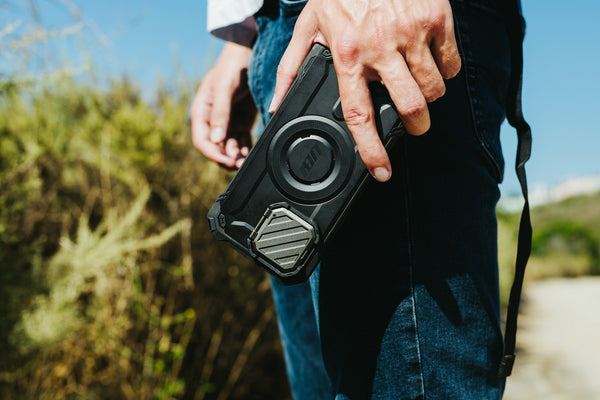
You might think that the thicker the phone case, the better the protection. But that’s not actually the case. Thickness alone doesn’t equate to protection, and a case that’s too thick can lead to a poor user experience.
Many shoppers assume that a thicker phone case automatically provides better protection, but that's only part of the story. While a rugged outer shell can add structure and reinforce the corners, where most impacts occur during accidental drops, the overall design of the case plays a much larger role in determining real-world durability.
Factors such as the number and arrangement of protective layers, the shock-absorbing materials used, the corner reinforcement design, and the way different materials are bonded together all influence how effectively a case disperses impact energy. As a result, two cases with similar thicknesses can perform very differently when dropped from the same height. That's why it's important to look beyond dimensions alone and consider verified drop-test results, material quality, and protective design features when evaluating a phone case's ability to safeguard your device.
Bulk also changes one-handed use. When the phone case is quite wide, it can be very difficult to open the camera or tap controls with just one hand. That tradeoff shows up during longer continuous carry, not in the first few minutes of pickup.
If you rarely drop your phone and spend most of your time in the office, a lightweight, slim MagSafe case would be a good fit for you. On the other hand, if you work outdoors or frequently handle tools, the extra weight of a rugged case is well worth it.
Which Case Material Fits Your Daily Use?
The material of a phone case plays a major role in determining its durability, grip, comfort, and overall level of protection. Most phone cases are made from one of three material types: TPU (thermoplastic polyurethane), polycarbonate (PC), or a hybrid combination of both. Understanding the strengths and limitations of each can help you choose a case that best matches your daily routine and protection needs.
TPU
TPU is a flexible, rubber-like plastic that is widely used in phone case construction. Its elasticity helps absorb and disperse impact energy during drops, making it an excellent choice for everyday protection. TPU also provides a naturally grippy texture, reducing the likelihood of accidental slips.
One drawback is that TPU, particularly in clear cases, can gradually yellow over time due to exposure to UV light, heat, and natural oils from the skin. However, its flexibility and shock-absorbing qualities continue to make it one of the most popular materials for protective phone cases.
Learn More: TPU Case vs Silicone Case
PC
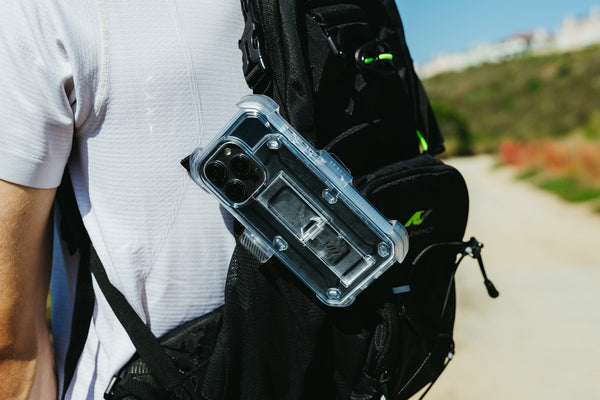
Polycarbonate, often abbreviated as PC, is a hard plastic known for its rigidity and structural strength. Unlike TPU, it maintains its shape exceptionally well and offers a more scratch-resistant surface. This makes it ideal for creating sturdy back panels and reinforced outer shells.
The tradeoff is that the PC does not provide the same level of grip or impact absorption as TPU. For this reason, many premium and rugged phone cases use PCs as a structural framework while relying on softer materials around the edges for additional shock protection.
Learn More: Silicone vs. Plastic Phone Cases
Hybrid Designs
Hybrid cases combine the strengths of both TPU and polycarbonate to create a more balanced protection system. The rigid PC shell helps maintain structure and resist scratches, while the TPU layer absorbs impacts and improves grip. This combination often delivers better overall protection than either material could provide on its own.
The award-winning SUPCASE Unicorn Beetle PRO is a prime example of a hybrid design. It features a tough polycarbonate outer shell paired with a shock-absorbing TPU inner layer, creating multiple levels of defense against drops and impacts. Reinforced corner bumpers help absorb shock at common impact points, while the built-in PET screen protector adds another layer of everyday protection. Textured side panels further improve grip, helping users maintain a secure hold on their device in a variety of environments.
For users seeking the best balance of durability, drop protection, and everyday usability, hybrid TPU-and-PC designs are often the most versatile choice. They combine the flexibility needed to absorb impacts with the rigidity required to protect your device from the wear and tear of daily life.
|
Material |
Grip |
Rigidity |
Yellowing risk |
Best for |
|
TPU only |
High |
Low |
Higher in clear finishes |
Slim daily use, light drops |
|
Polycarbonate only |
Low |
High |
Low |
Buyers who prefer a firm shell |
|
Hybrid TPU + PC |
Balanced |
Balanced |
Low in opacity |
Rugged use, mixed environments |
Which Features Actually Matter Day to Day?
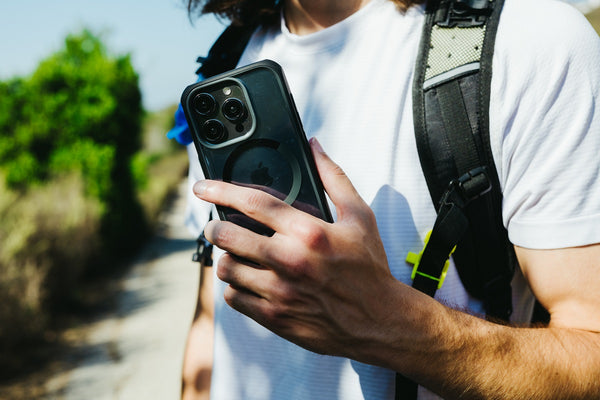
As you consider this, first think about which features you use most often when using your phone daily. For most people, the key features of a phone case typically include these five elements:
-
Grip: bare hand, damp hand, gloved hand
-
Corner coverage: raised camera bezel and screen bezel
-
MagSafe: attach your mount, wallet, and charger to the case
-
Buttons: press each one, including Camera Control
-
Cleaning: wipe compatible finish for daily use
Any other features beyond these are simply icing on the cake.
Protection is important, but so is everyday comfort. After all, even the most protective phone case won't do you much good if it's inconvenient to use. A case that constantly catches in your pocket, feels uncomfortable in your hand, or interferes with accessories can quickly become frustrating enough to abandon altogether.
Before committing to a case, consider how it will fit into your daily routine. Check whether it slides easily into and out of your pocket, especially if you wear fitted clothing. If you rely on magnetic accessories, such as a MagSafe wallet, charger, or car mount, make sure the magnetic connection feels secure and reliable. You should also think about one-handed usability. For users who frequently take photos or use features like the Camera Control button, a case should allow comfortable access to all controls without requiring awkward hand positions.
The best phone case isn't just the one that survives a drop test. It's the one that delivers the right balance of protection, comfort, and convenience every day.
The best MagSafe case that actually works picks the top SUPCASE models by magnetic hold strength. For hands-free viewing, calls, or timer photos, a phone case with a kickstand covers most needs without adding accessories.
How to Verify Drop Ratings, MagSafe, and Return Terms
Before purchasing a phone case, you should be aware that protection rating labels represent only the manufacturer’s claims. Be sure to verify the source of these claims before making a decision based on them.
Drop ratings depend on the test standard and who ran the test. MIL-STD-810G Method 516.6 is the industry norm for drop protection. SUPCASE cases in the UB Pro, UB Grip, and UB Grip Pro lines meet or exceed it. When a brand cites a specific drop height in feet, ask which source verified it.
|
Verification source |
What it means |
SUPCASE example |
|
Accredited independent lab |
Rigorous third party test |
15 ft by MET Labs on the UB Pro |
|
Editorial publication test |
Publication grade verification |
20 ft in the CNET annual drop test |
|
YouTube channel test |
Content creator result, not lab certified |
50 ft by the Everything Apple Pro YouTube channel |
The UB Pro won CNET's first annual drop test with the highest total feet. That is a real editorial result, not a marketing claim.
Conclusion
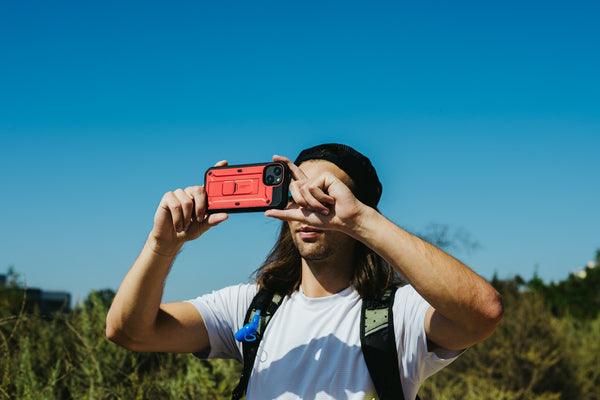
When shopping for a phone case, first consider your own usage habits. Then, make your selection based on factors such as the case’s fit, drop protection, material, features, and compatibility.
SUPCASE phone cases feature a hybrid TPU and PC material construction, offering high levels of protection while remaining lightweight. All orders of $49 or more qualify for free shipping within the U.S. and a one-year warranty. First-time buyers can receive a 10% discount by subscribing to the newsletter.
Frequently Asked Questions
Is a thicker phone case always more protective?
That’s not the case. Compared to the thickness of a phone case, the structural design, edge coverage, and how the materials are bonded are far more critical. SUPCASE’s UB Pro series phone cases passed the 20-foot CNET test. This phone case strikes a balance between protection and slimness, rather than simply adding thickness.
Which phone case material is best for daily use?
For balanced daily use, the TPU and PC hybrid construction gives the best grip and structure tradeoff. The UB Grip uses this construction with a textured back for one-handed carry. TPU only suits light use, and polycarbonate only fits buyers who prefer a firm shell.
How can I check whether a phone case supports MagSafe?
Look for the MagSafe badge on the exact product page. All SUPCASE UB Grip, UB Grip Pro, and UB Mag models support MagSafe up to 15W. Test the combination of case, charger, and any wallet or mount during your return window.
Do raised phone case edges protect the screen and camera?
Yes, raised bezels reduce direct contact with flat surfaces. The UB Pro and UB Grip Pro pair raised bezels with a built-in or preinstalled screen protector. That combination protects a face-down phone more reliably than raised edges alone.
Should I choose a slim or rugged phone case?
Choose slim for pocket carry, desk work, and frequent MagSafe accessory use. Choose rugged for outdoor work, tool bags, or hard flooring. If you’re looking for a case that handles both of these use cases, the UB Grip Pro is an ideal choice. It offers rugged drop protection, supports MagSafe, and comes with a pre-installed tempered glass screen protector.


AS SEEN ON THIS ARTICLE
-
![Bundle Sale - Galaxy S26 Ultra UB Grip Series & Samsung/iPhone Compatible MagFlip Wallet]() from $83.68
from $83.68 -
![Bundle Sale - Galaxy S26 Ultra UB Pro Mag Series & Samsung/iPhone Compatible MagFlip Wallet]() from $89.08
from $89.08 -
![Bundle Sale - iPhone 17 Pro Max UB GRIP & MagSafe Wallet with Airtag Holder]() from $82.78
from $82.78 -
![Galaxy Z Flip7 Unicorn Beetle PRO Rugged Case with Belt Clip-Black]() $47.99
$47.99



Leave a comment